




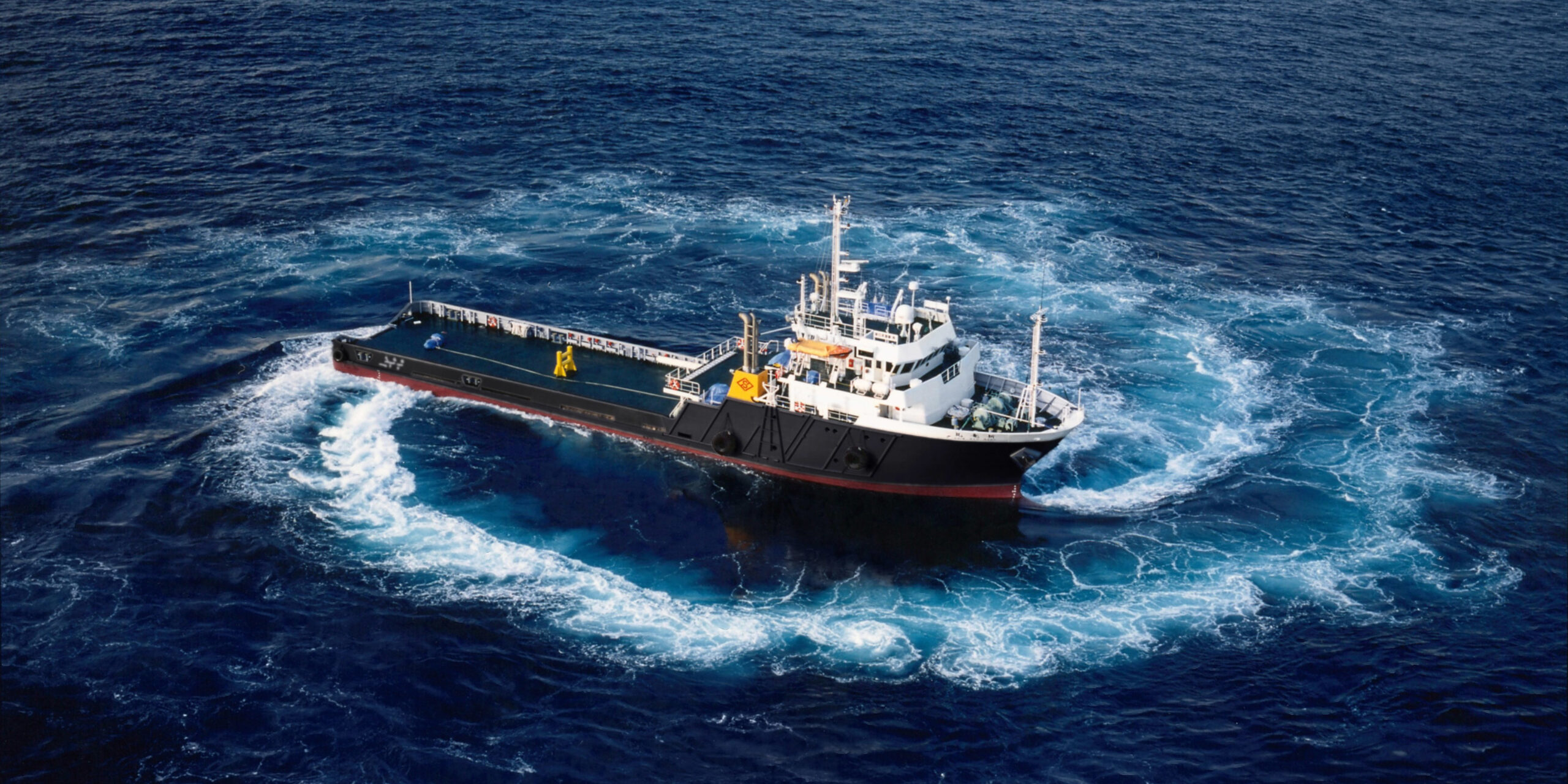
Shinryu Maru
Tug, Salvage, and Work Vessel (698GT)
Shinryu Maru is a multipurpose work vessel equipped with a DP system (dynamic positioning system). Built on operational experience gained through many years of participation in marine survey projects, the vessel also serves as a support mother vessel for autonomous underwater vehicle (AUV) operations.
Through reliable responses tailored to field conditions, Shinryu Maru has supported the dependable execution of offshore work.
-
Principal Dimensions
LOA 60.98 m, Moulded B 11.80 m, Moulded D 5.45 m, DFL 4.60 m
-
Persons on Board
10 crews/others
-
Navigation Area
Major coasting area (International voyage)
-
DPS
Kongsberg DP Class I
-
Propulsion System
Niigata ZP-31CP four-wing CPP x 2
-
Thruster
Bow thruster 8.2 t x 1
-
Main Engine
Niigata 6L28HX 2 000PS x 2
-
Generator
Yanmar 6HAL2-HTN 359PS x 2
How Shinryu Maru Works
AUV Mother Vessel Support (Support for Autonomous Underwater Vehicle Operations)
Shinryu Maru serves as the mother vessel for Deep-1, an autonomous underwater vehicle (AUV) capable of operating at depths of up to 3,000 meters. Equipped with a launch and recovery system (LARS) and an AUV control room, the vessel supports offshore deployment and operation of the AUV.
Deep-1 is an unmanned underwater vehicle equipped with survey instruments such as a multibeam echo sounder (MBES) and sub-bottom profiler (SBP), and autonomously conducts seafloor topographic surveys, geological surveys, and seafloor resource surveys. The mother vessel provides integrated support from launch and recovery to mission control and data retrieval.
DP (Dynamic Positioning)
This system integrates thrusters, propellers, and rudders under computer control to automatically maintain the vessel’s position and heading without using anchors. It is essential for operations requiring precise station keeping, such as AUV launch and recovery and standby operations in survey areas.
Z-Peller Azimuth Thrusters and Thrusters
The vessel is equipped with Z-Peller azimuth thrusters and thrusters. Because thrust direction can be controlled freely, the system provides high maneuverability and supports precise station keeping in combination with the DP system. It contributes to agile maneuvering in confined waters and stable position keeping in survey areas.
Towing Equipment (Towing Winch)
The vessel is equipped with a towing winch for marine towing operations involving barges and structures. The winch pays out and retrieves the towline while controlling line tension, enabling safe and stable towing operations.
Deck Space
The vessel has deck space that can be used flexibly for loading, temporary staging, and work involving equipment and materials.
In addition to serving as a space for loading and maintaining AUV-related equipment, the deck can also support multipurpose offshore work.
Accommodation Facilities (up to 40 persons)
The vessel can accommodate up to 40 persons, including project personnel. In addition to AUV survey operators and engineers, customer survey personnel can also board the vessel, providing accommodation suitable for extended offshore survey projects.
Key Features
Shinryu Maru’s defining feature is that it is equipped with a DP system, enabling station keeping and auto-track operation during marine surveys. Its ability to remain on specified coordinates while counteracting the effects of currents and wind is essential for ROV and AUV operations, as well as for the installation and recovery of subsea equipment.
The vessel has operational experience as the support mother vessel for AUV Deep-1, and can support high-precision seafloor topographic surveys and sensor measurements conducted through autonomous navigation. It is equipped on board with the systems required for AUV launch and recovery, enabling it to support long-term survey plans.
The vessel is arranged to accommodate and operate the personnel and equipment required for long-duration offshore survey campaigns.
WORKS
-
AUV Seabed Mapping Surveys
We conduct seabed mapping surveys using autonomous underwater vehicles (AUVs).
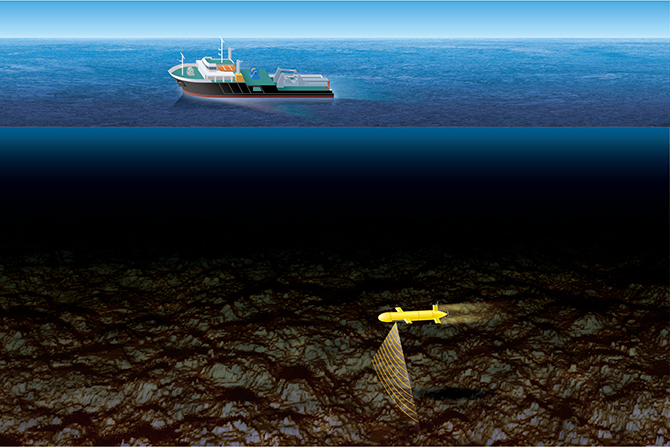
The AUV is deployed in the survey area, with the vessel’s crew assisting in the launch and recovery operations.
The AUV is operated by a specialist team on board the vessel.
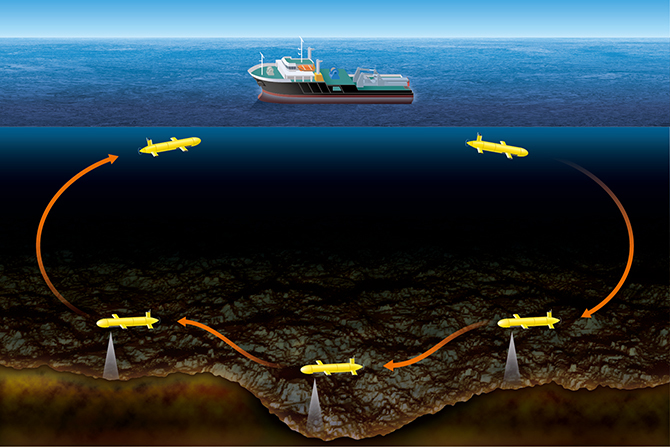
After autonomously collecting seabed topographic data, the AUV is recovered, with the vessel’s crew assisting in the recovery operation.
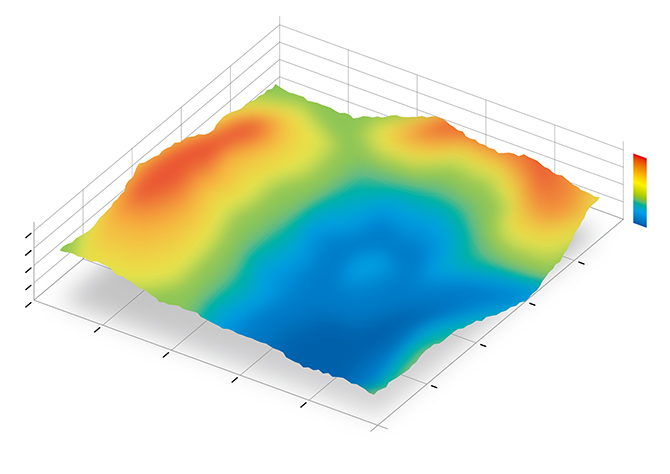
Example of Seabed Topographic Data Collected by an AUV CLOSE
-
Salvage
The vessel tows disabled or grounded vessels to a designated port.
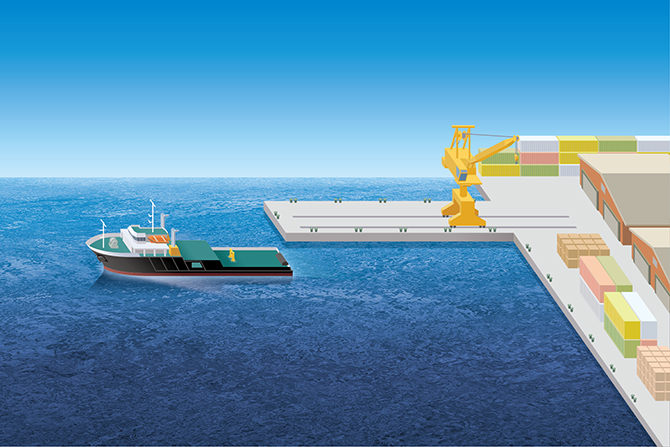
Upon receiving a salvage request, the vessel immediately begins preparations and departs for the site.
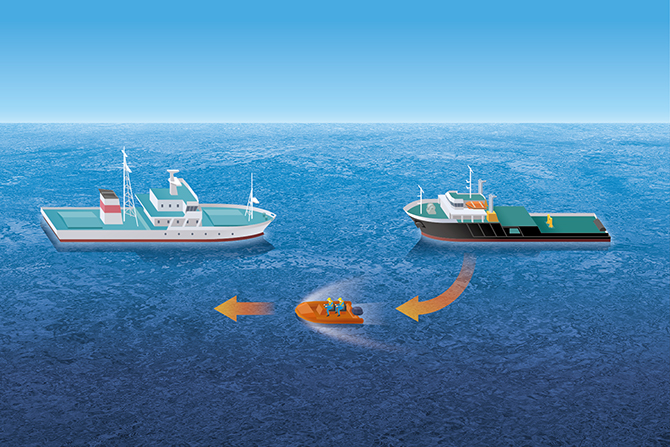
After arrival, deck and engine personnel work together to board the other vessel and connect the towline.
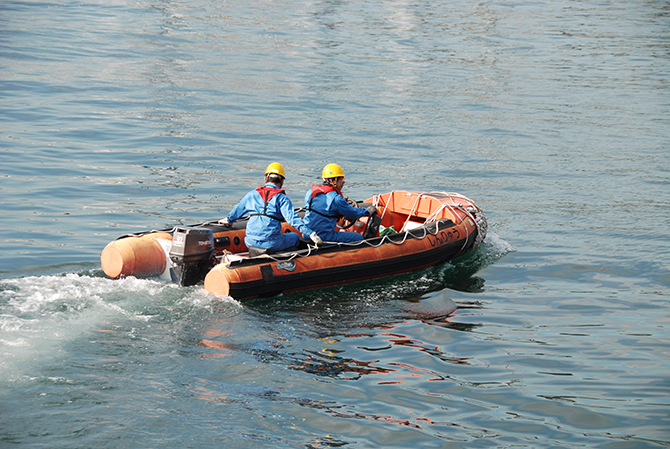
Crew members aboard a small boat
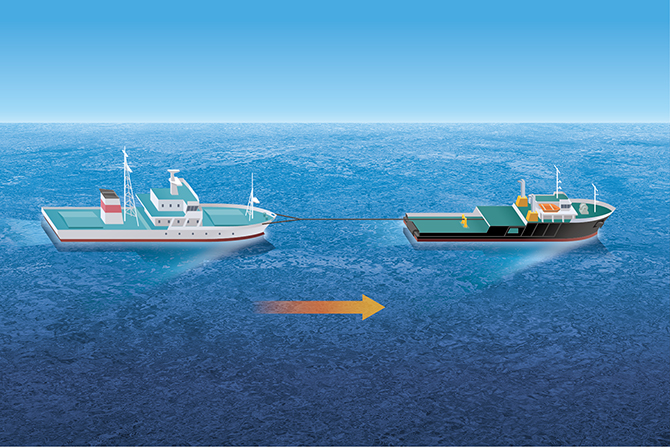
The disabled vessel is then towed to its destination.
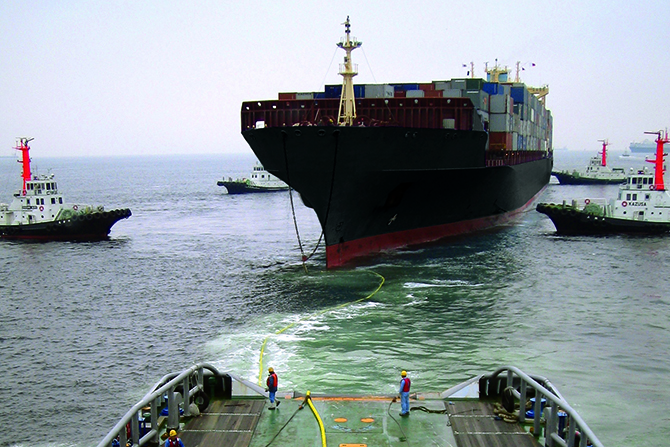
Large vessels can also be towed.
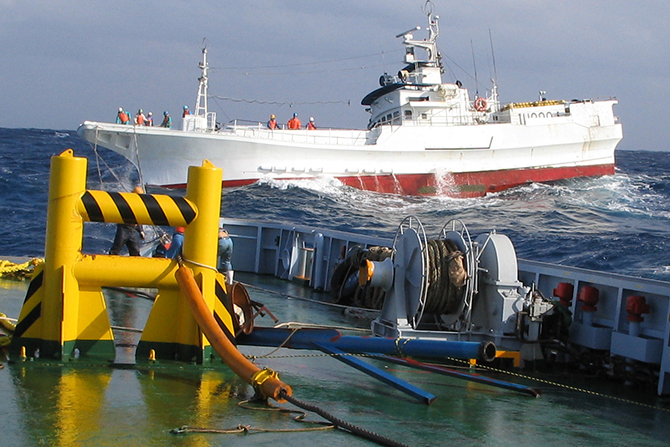
Operations may also be carried out in rough sea conditions.
CLOSE