





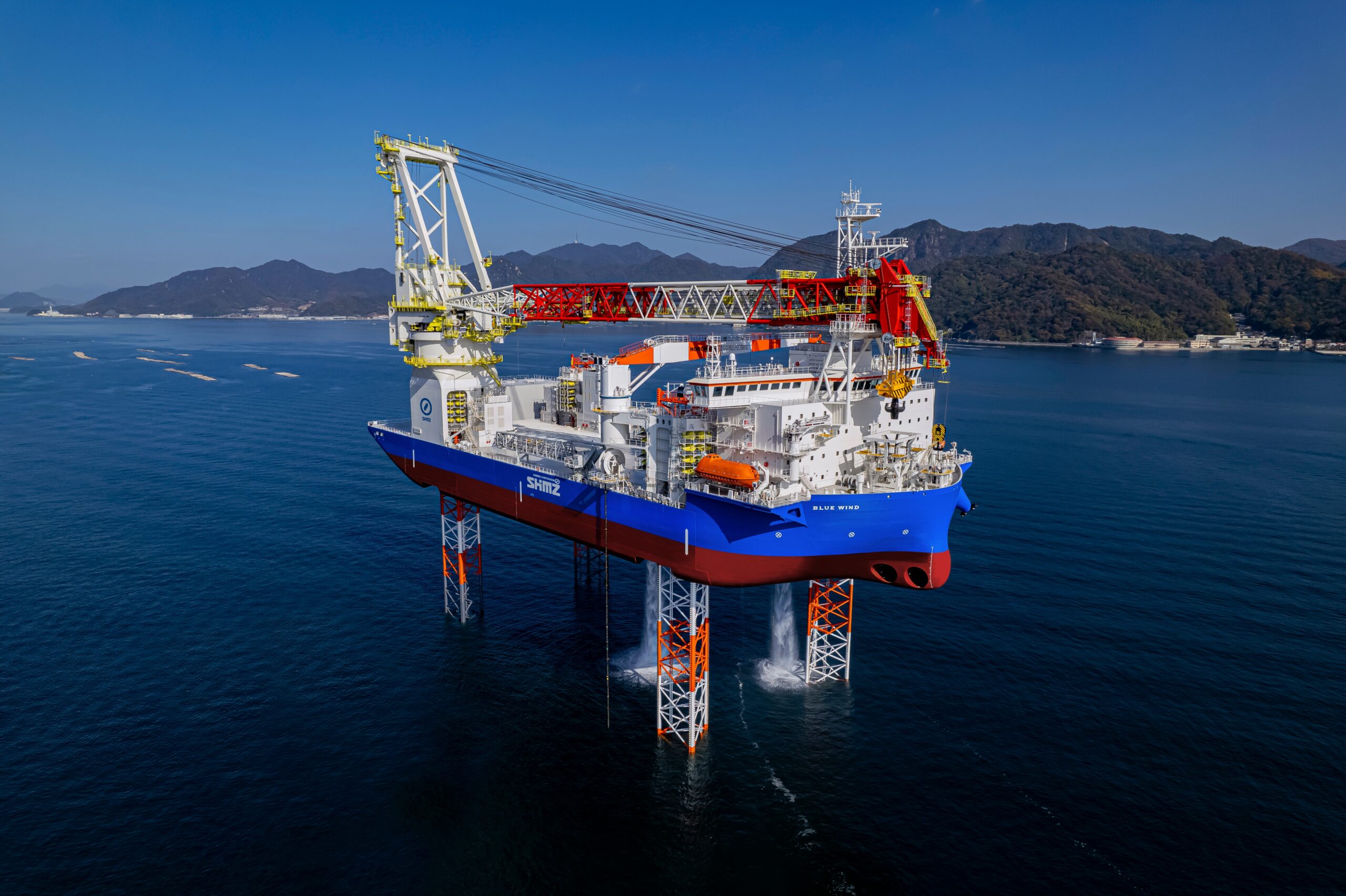
BLUE WIND
SEP vessel (23,539GT)
BLUE WIND is a self-propelled SEP vessel (self-elevating platform vessel) specializing in the construction of offshore wind power facilities.
Management of the vessel began in 2023. Equipped with one of the world’s highest-capacity cranes and substantial deck load capacity, BLUE WIND plays a leading role in offshore wind construction projects in Japan.
-
Principal Dimensions
LOA 142.80 m, Moulded B 50 m, Moulded D 11 m, DFL 6.54 m
-
Persons on Board
25 crews/others
-
Navigation Area
Major coasting area (International voyage)
-
DPS
Kongsberg DP Class II
-
Propulsion System
Azimuth thruster: 3,800 kW x 3, 3,200 kW×1
-
Thruster
Tunnel thruster: 3,200 kW x 2
-
Main Engine
Daihatsu 8DE-33 4,800 kW x 4、6DE-23 1,500 kW x 2
-
Emergency Generator
Cummins KTA38DM (82 kW x 1,800 RPM X 1)
-
Jacking System
GLL-U2110-105-L, Rack and pinion (14,000 t/leg)
-
Main Crane
1,205 t (extended mode: lifting height of 158 m, 2,500 t (retracted mode)
-
Aux. Crane
30 t
How BLUE WIND Works
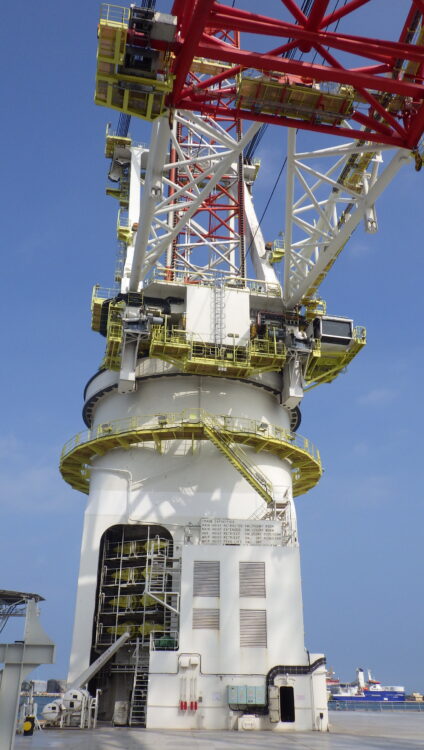
A Crane with Maximum Lifting Capacity of 2,500 Tons
The vessel is equipped with a fully revolving onboard crane with a maximum lifting capacity of 2,500 tons.
Its 360-degree slewing capability allows suspended loads to be positioned without constraints from the vessel’s heading, thus supporting ultra-heavy-lift operations in offshore locations beyond the reach of land-based cranes. Possible operations include installation of foundations and major structures for offshore wind facilities, as well as the installation and removal of large modules for offshore platforms.
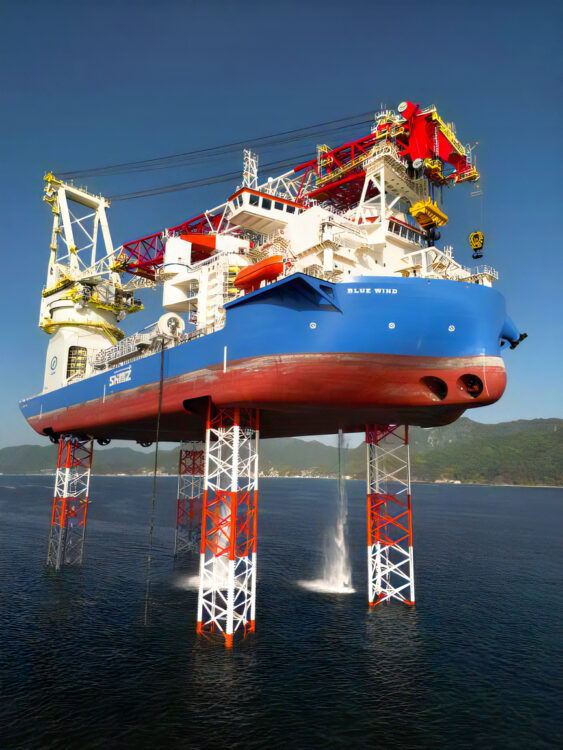
Jack-up Legs and Riser Water Pump
The jack-up legs are lowered from the vessel to the seabed, allowing the hull to be elevated and fixed above the sea surface. The greatest feature is that the legs enable work to be performed in a stable posture that is free from the effects of waves, effectively supporting offshore operations such as the installation, maintenance, and construction of offshore wind facilities and structures.
As the hull rises above the sea surface during jack-up, seawater cannot be taken in through the vessel’s conventional seawater inlets. Accordingly, a riser water pump system installed along the legs pumps seawater from the sea surface up to the hull, maintaining seawater supply to onboard systems, e.g., cooling, firefighting, and ballast systems.
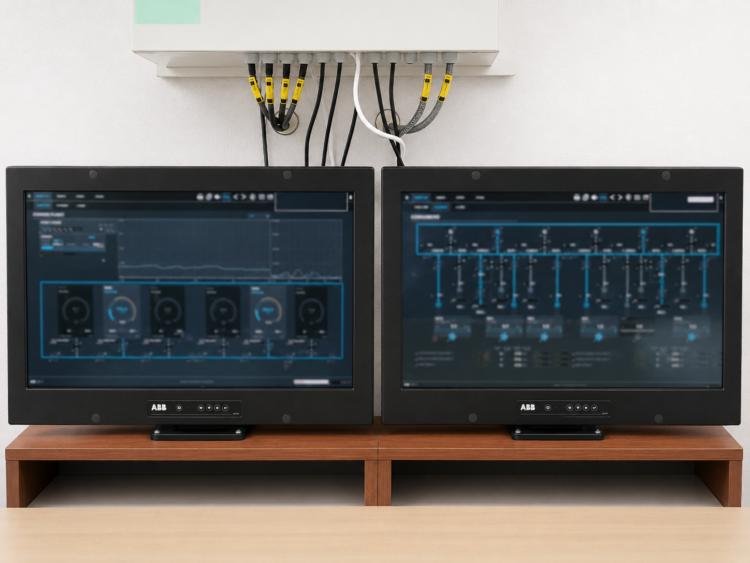
Diesel-Electric Propulsion
As for the vessel’s propulsion system, diesel generators produce electricity and electric motors drive the propulsors. Because the engines and propellers are not mechanically connected directly, the number of generators in operation can be controlled according to load for excellent fuel efficiency and environmental performance.
Generated electricity can also be flexibly distributed not only for propulsion but also to DP equipment, cranes, and other large work equipment, making this propulsion system suitable for offshore work vessels that require diverse operations.
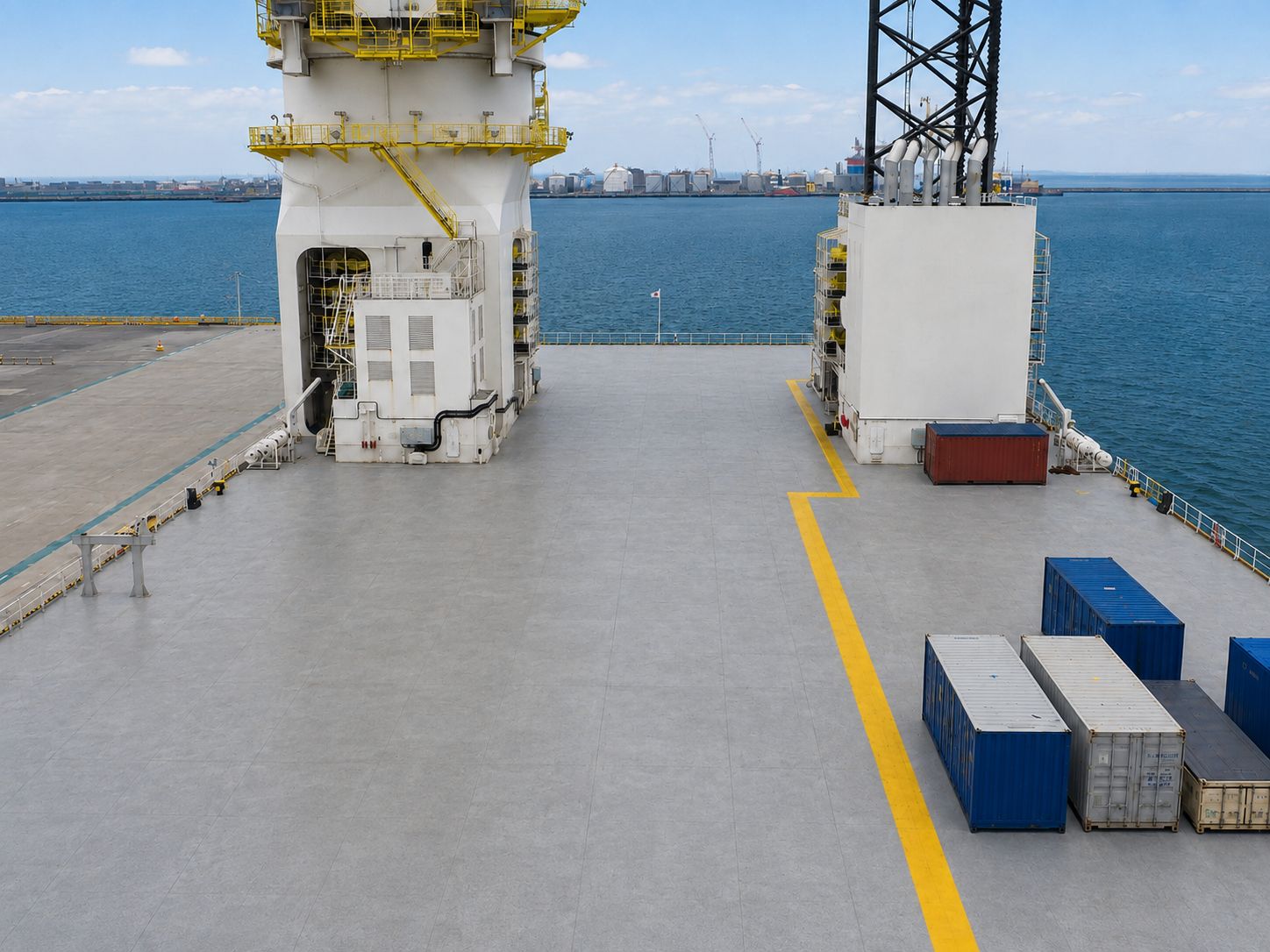
Large Deck (Loading Space)
Offshore wind construction requires large components such as foundations, towers, and blades to be transported repeatedly between ports and an offshore installation site. A large deck area allows components for multiple turbines to be carried at once, therefore reducing the number of voyages and helping to shorten construction schedules and lower costs.
The deck is also designed with high load-bearing strength, enabling heavy components to be safely secured and stored.
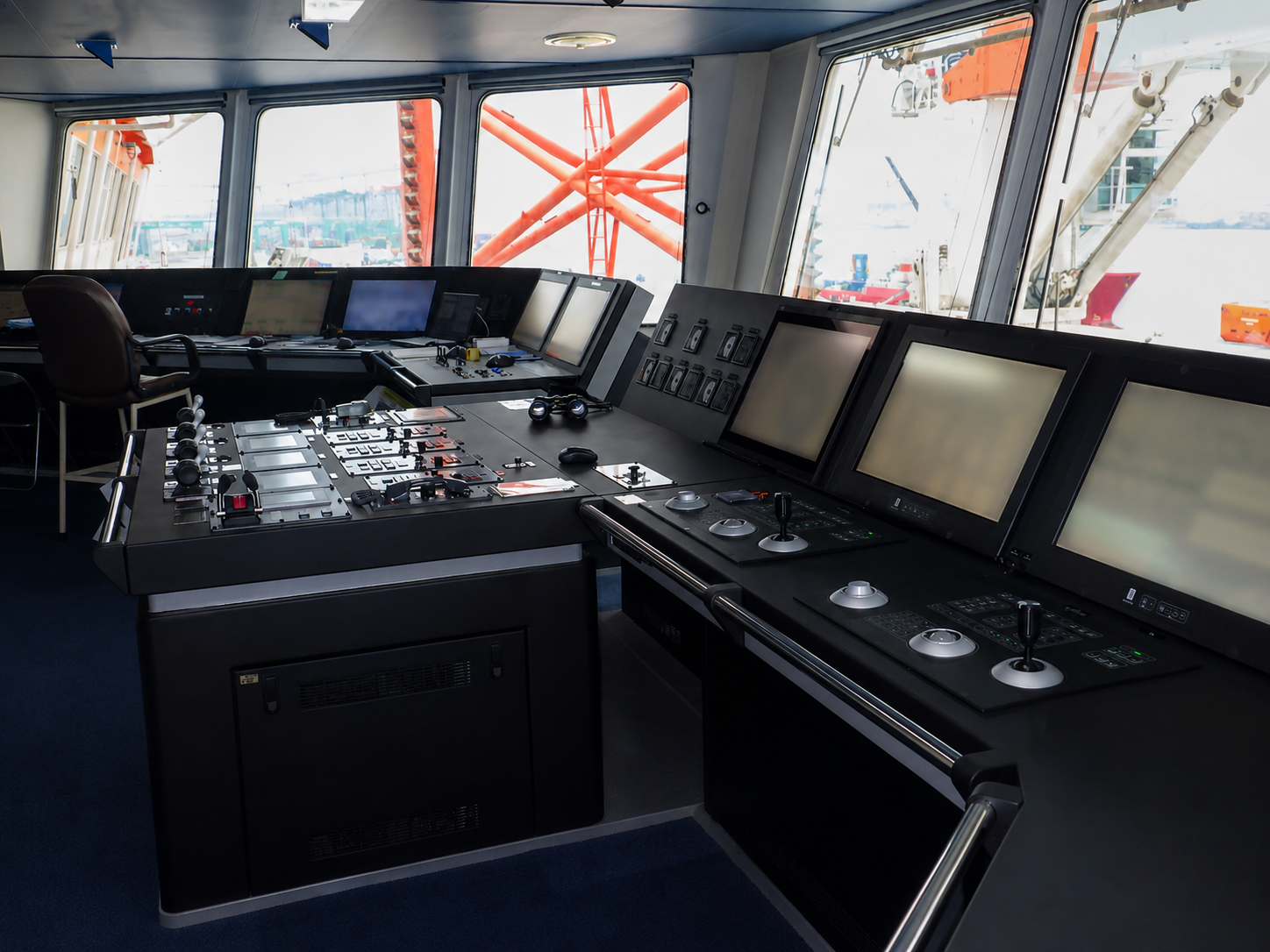
DUAL DP
A system in which DP equipment is arranged in a dual-redundant configuration. As generators, thrusters, and control systems are separated into two or more independent systems, position keeping can continue even if a single failure occurs in one system.
This redundancy is required for projects involving high-precision operations such as offshore wind turbine installation and drilling, where any deviation from the required position could directly lead to a serious accident or damage to equipment.
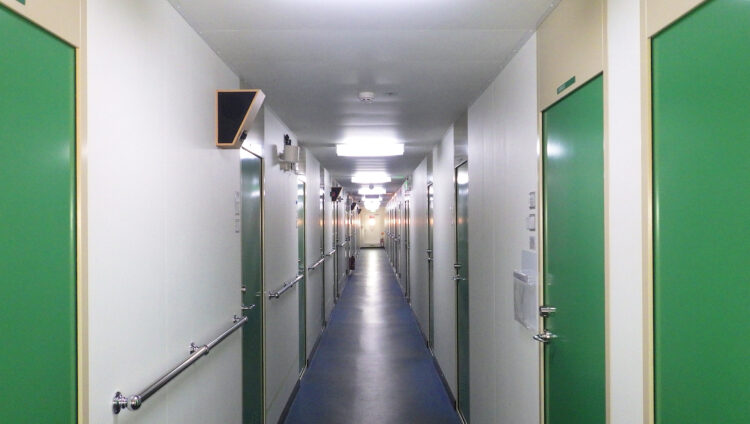
Large-Scale Accommodation Facilities (up to 130 persons)
In offshore wind power construction and maintenance projects, project personnel from multiple occupations, including construction engineers, operators, and safety managers, need to board the vessel at the same time.
Accommodation facilities for up to 130 persons enable the customer's project personnel to be consolidated on one vessel, thus reducing the need to arrange additional support vessels and the frequency of offshore personnel transfers, and thereby contributing to overall project efficiency.
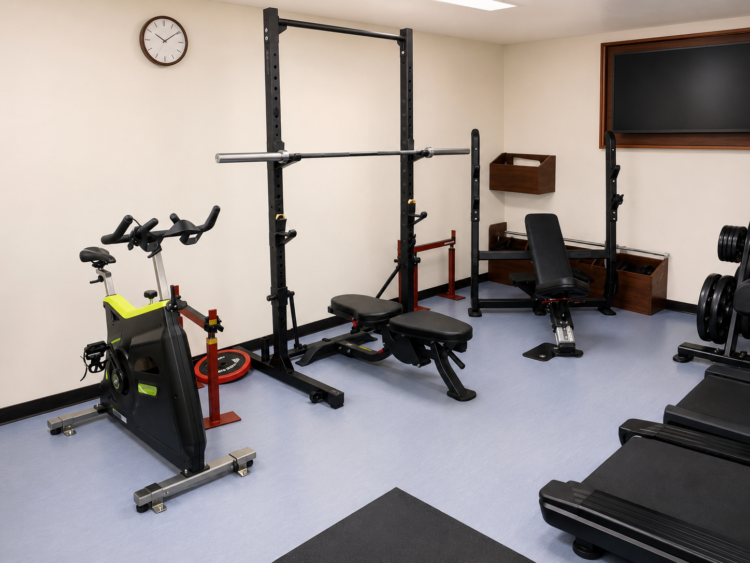
Recreation Facilities (Training Room, Theater Room, etc.)
In projects requiring large numbers of people living offshore for extended periods of time, physical and mental well-being is essential for safe operations and sustained performance.
The vessel is equipped with recreational facilities, including a training room and theater room, which help meet MLC accommodation standards while providing a comfortable living environment for project personnel.
Supporting the well-being of those on board also contributes to the productivity of long-term projects.
Key Features
BLUE WIND’s defining strength is its heavy-lift capability. Its 2,500-ton crane capacity and high lifting height enable installation of large wind turbine components in a single lift, ensuring stable and efficient offshore construction.
The vessel is also designed to perform in long-period swell conditions, offering higher operational availability than conventional SEP vessels. Its large open deck allows components for multiple turbines to be carried at once, thereby improving construction efficiency by reducing the number of voyages between port and site. As a self-propelled SEP vessel, BLUE WIND does not require tug assistance for transit and can move quickly and flexibly between sites.
This mobility is a significant advantage for projects spanning multiple offshore wind farms.
WORKS
-
Offshore Wind Turbine Installation
Building on our proven track record in offshore vessel management, we manage one of the world’s largest offshore wind turbine installation vessels.
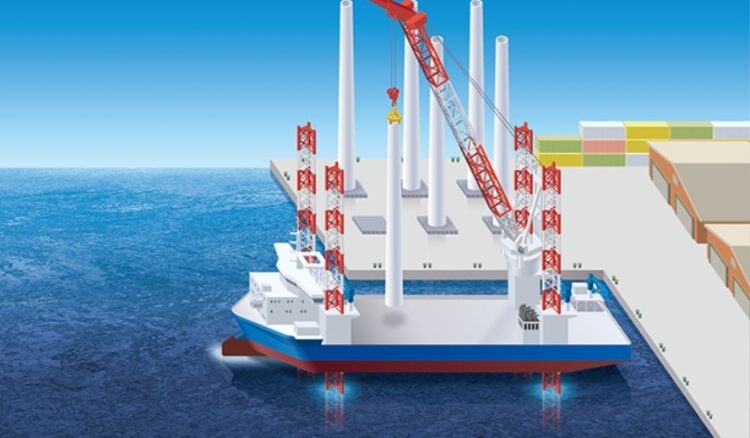
Loading Offshore Wind Components onto the SEP Vessel
After entering a port, offshore wind turbine components are loaded onto the SEP vessel.
For an 8 MW offshore wind turbine, each blade is approximately 80 meters long, and the tower is approximately 105 meters high.
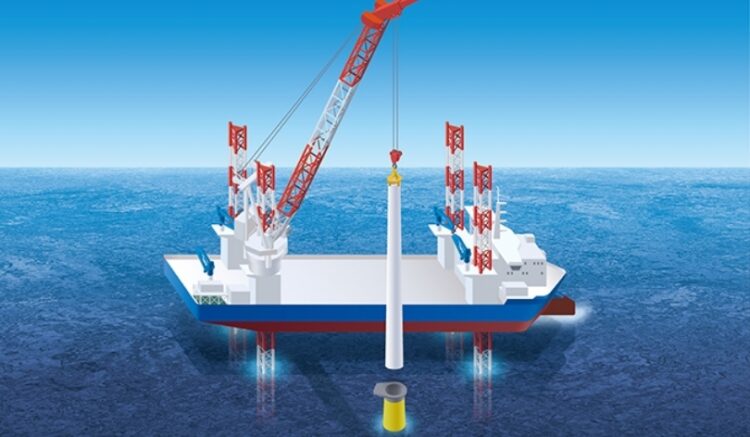
Jack-up and Installation
The vessel transits to the installation site, uses its DP system to hold station, jacks up on its four legs, and begins installation work.
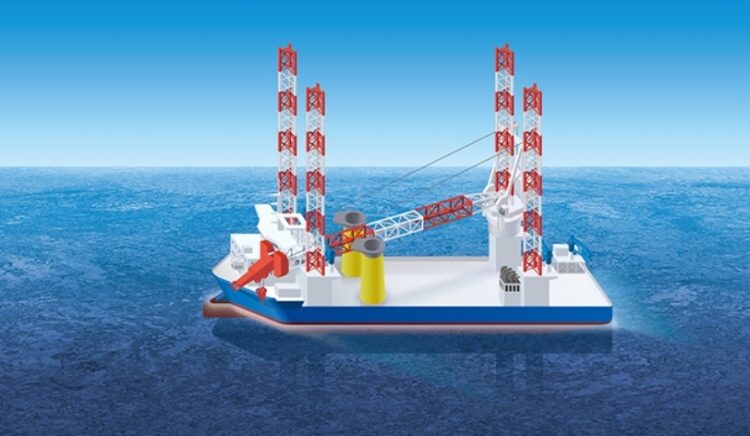
Completion of Installation and Jack-down
Once installation is complete, the vessel jacks down and proceeds to the next installation site.
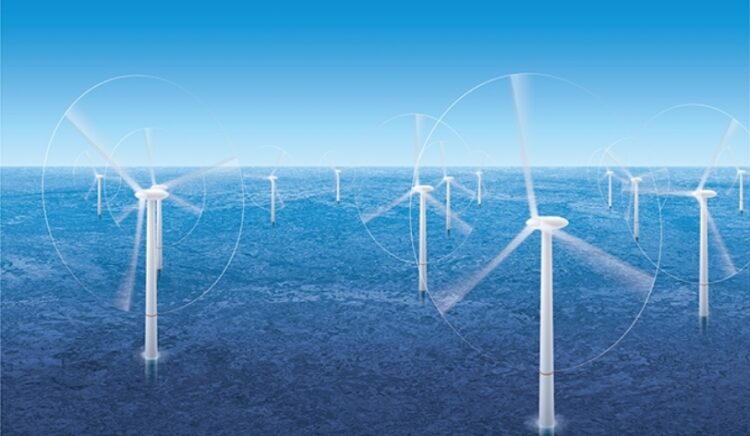
Repeated Installation and Transit
The vessel repeats this cycle of installation and transit for each offshore wind turbine.
CLOSE